JERUSALEM - In the clearest indication yet that Israel now believes Iran's nuclear aspirations will be curbed, Prime Minister Ehud Olmert has said that efforts being undertaken by the international community will ensure that Tehran does not acquire nuclear capability.
In a series of interviews on the eve of the Passover holiday, Olmert sounded the same message: Iran will not get the bomb. "I want to tell the citizens of Israel: Iran will not have nuclear capability," he told the daily Ha'aretz newspaper.
"The international community is making an enormous effort - in which we have a part, but which is being led by the international community - so that Iran will not attain non-conventional capability. And I believe, and also know, that the bottom line of these efforts is that Iran will not be nuclear..."
Tehran insists its nuclear program is civilian in nature and is meant to generate power. But Israel believes Iran is bent on developing nuclear weapons. Threats by Iranian President Mahmud Ahmadinejad to "wipe Israel off the map" have further heightened fears in the Jewish state.
Read more.
Wednesday, April 23, 2008
Israel Determined to Stop Iran's Nuclear Development
New Development in 9/11 Tragedy
Al Qaeda's No. 2 leader issued a new audiotape Tuesday accusing Shiite Iran of spreading a conspiracy theory about who carried out the Sept. 11 attacks to discredit the power of the Sunni terrorist network.
Ayman al-Zawahiri, Osama bin Laden's deputy, has stepped up his denunciations of Iran in recent messages in part to depict al Qaeda as the Arabs' top defense against the Persian nation's rising power in the Middle East.
The increasing enmity toward Iran is a notable change of rhetoric from al-Zawahiri, who in the past rarely mentioned the country - apparently in hopes he would be able to forge some sort of understanding with Tehran based on their common rivalry with the United States. Iran has long sought to distance itself from al Qaeda.
Click here for the full story.
Thursday, April 17, 2008
Iran: A Strong Military Force
TEHRAN (AFP) — President Mahmoud Ahmadinejad on Thursday proclaimed Iran as the "most powerful nation" on earth as the country's air force showed off its prowess at a time of mounting tension with the West.Click here to read more.
"Iran is the most powerful and independent nation in the world," Ahmadinejad told a military parade outside Tehran marking the Islamic republic's annual Army Day, reaffirming one of his favoured slogans.
Ahmadinejad said all the branches of the armed forces would react forcefully in response to any attack against Iran's soil and boasted that no one would dare to launch a strike on the country...
Ahmadinejad repeated his belief that the power of Iran meant the prevailing world order was set to be turned on its head.
"Thanks to the resistance of the Iranian people, the great powers have become bogged down. The region and the world must prepare for great changes and the disappearance of satanic powers."
Thursday, April 10, 2008
Iran: Too Important to Ignore
There was a time not too long ago that Iran was viewed as little more than a nuisance. It was a moderately significant player in the Middle East but not powerful or plugged-in enough to be taken seriously as a regional power.Read more.
It could only count Syria as an ally, it had very few other solid links with the Arab world, it was still smarting from the cost of the eight-year-long war with Iraq, and was still finding its way in a post-Cold War world. Ten years ago, a relatively passive policy of containment was deemed a sufficient response to Iran: hemming it in through various trade and financial sanctions and a regular U.S. naval deterrent force patrolling the waters of the Gulf.
Today, little happens internationally without an Iran angle. President Hugo Chavez talks oil politics. Hamas wins an openly contested election in Palestine. Hezbollah and Israel come to blows. Oil prices go up. Iraq burns. In every case, Iran is somehow implicated...
It is vital that we understand the enduring, centuries-long relationship between regional geopolitics and strategic Iranian interests and learn to act on it for the sake of regional stability - regardless of what leaders, moderate or extremist, happen to be in charge in Tehran. Iran's policies are as much a product of regional circumstances as they are domestic imperatives.
More Threats on Iran
In his speech on Thursday, Bush wasted little time before getting to the ominous subject of Iran. Time and time again, he lumped the alleged threat from Iran in the same breadth as the one from Al Qaeda, once again fusing enemies in the minds of the American people. “Serious and complex challenges remain in Iraq, from the presence of Al Qaeda to the destructive influence of Iran,” he said, even before declaring that the surge has “renewed and revived the prospect of success...”Click here to read more.
“The regime in Tehran also has a choice to make,” Bush said. “It can live in peace with its neighbor, enjoy strong economic and cultural and religious ties. Or it can continue to arm and train and fund illegal militant groups, which are terrorizing the Iraqi people and turning them against Iran. If Iran makes the right choice, America will encourage a peaceful relationship between Iran and Iraq. Iran makes the wrong choice, America will act to protect our interests, and our troops, and our Iraqi partners...”
This man is planning on waging another illegal war, and we need to do all that we can, nonviolently, to stop him.
Strong Iranian Influence in Iraq
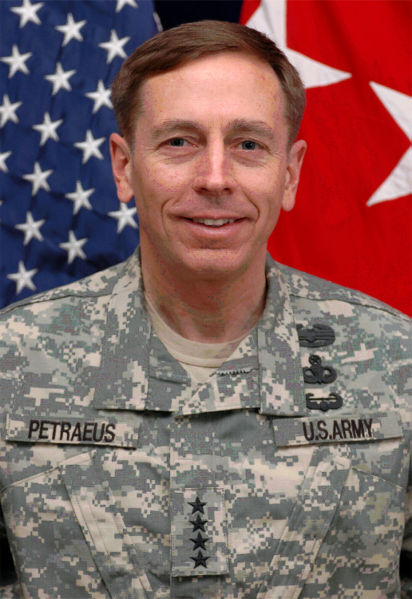
WASHINGTON, April 10 (UPI) -- Testimony by top U.S. officials in Iraq translates the mission there from a fight against al-Qaida to one against the "nefarious activities" of the Iranians. U.S. Army Gen. David Petraeus and the U.S. Ambassador to Iraq Ryan Crocker described the Iranian influence in Iraq as "the greatest long-term threat to the viability" of the Iraqi government, David Ignatius wrote in The Washington Post.
Deterring the Iranian influence in Iraq became the latest justification behind U.S. military strategy in Iraq as al-Qaida numbers dwindle to around 5,000 or so hard-core elements.
The statement by Petraeus that military assessments in Iraq would be ongoing suggests the military strategy by the Bush administration is in a holding pattern as the United States waits out the final days of his presidency, Ignatius said.
Thursday, March 27, 2008
Iran suspends pilgrim tours to Iraq
Iranian Foreign Ministry spokesman Mohammad Ali Hosseini protested earlier against what he said was the fingerprinting of Iranian pilgrims entering Iraq by U.S. troops, the official IRNA news agency reported.He said pilgrims went to Iraq under an agreement between the two neighbours and with "appropriate coordination between Iranian and Iraqi officials and (hence) there is no need for another party's interference".The United States has accused Iran of stirring up violence in Iraq by funding, training and supplying weapons to Iraqi militias, a charge Iran dismisses. Tehran blames the presence of U.S. troops for the instability and says they should quit Iraq.
This shows how Iran is taking preventive measures and trying to protect its citizens. This does prevent many Iranians from going on religious journeys though.
Grade this post
read full article here
Egypt Concerned About Iranian Influence
Egypt has become increasingly concerned by Iran's growing influence in the Gaza Strip since Hamas breached the Gazan-Egyptian border in January. In practice, President Hosni Mubarek told a senior European diplomat recently that because of the situation that has developed there Egypt has a common border with Iran.Read more.
President Mubarek compared Gaza to Lebanon and said that "in both places the problems and the crises stem from Iran's growing influence."
Israeli Government officials say that Egypt's attitude to the situation in Gaza has significantly altered and Cairo is now relating much more seriously to cross-border arms smuggling by Hamas and Islamic Jihad, especially since Iranian supplied Grad rockets were fired onto the Israeli city of Ashkelon...
Arab Governments are worried by Iran's growing influence but are unwilling, with few exceptions, to become unpopular and openly criticise Teheran when domestic opinion in most of their countries generally supports Iran, local reports add.
Confusing Iran with Iraq
Do you have trouble keeping Iran and Iraq straight? Don't worry -- so do folks at the Pentagon, sometimes.
A Defense Intelligence Agency publication available as recently as yesterday on its Web site noted "an Israeli F-16 raid to destroy an Iranian nuclear reactor" in 1981.
Just one problem: publicly-known history includes no Israeli raid on an Iranian nuclear reactor in 1981. Israel did attack an Iraqi facility at Osirak that year, however.
"I cannot exclude, of course, that the DIA detected an operation which no one else knows of to this day," wrote the man who apparently caught the error, Israeli historian Gideon Remez, in an e-mail to DIA March 24.
However, "today's preoccupation with Iran's nuclear program seems to have been projected onto the events of 27 years ago," Remez noted dryly.
Click here to read more.
Because Iran and Iraq both pose a threat to United States security, the two countries are easily confused. American people have even confused the two countries in regards to historical occurences.
GRADE THIS POST
Tuesday, March 25, 2008
A Bitter Bombing Is Likely
The odds of Bush bombing Iran have gone up dramatically this week.
There's just no other way to rationally interpret the resignation of Admiral William Fallon as head of Centcom.
Fallon resigned, and more likely was pushed out, after Esquire published an article on him entitled "The Man Between War and Peace." It said he was the one standing in the way of Bush bombing Iran...
What's more, according to U.S. News, "two U.S. warships took up positions off Lebanon earlier this month." The Pentagon "would want its warships in the eastern Mediterranean in the event of military action against Iran to keep Iranian ally Syria in check and to help provide air cover to Israel against Iranian missile reprisals," the story said. "One of the newly deployed ships, the USS Ross, is an Aegis guised missile destroyer, a top system for defense against air attacks."Read the full article.
As was to be expected, William Fallon's resignation has led to a dramatic increase in U.S. and Iranian tension. With Bush's strong penchant for bombing Iran, will we go to war?GRADE THIS POST
Wednesday, March 12, 2008
Resignation of US Admiral Does Not Signal Policy Change in Iran
Click here to read the full article.The resignation of the commander of US forces in Iraq and Afghanistan does not signal a policy change on Iran, US Defence Secretary Robert Gates says.
Admiral William Fallon said on Tuesday he was stepping down because of public perceptions of a rift with Mr Bush.
A recent article said Adm Fallon opposed military strikes against Iran...
The affair centres on an article in the April edition of Esquire magazine which described the admiral as "the strongest man standing between the Bush administration and a war with Iran"...
He said the idea, suggested in the article, that Adm Fallon's departure would indicate that the US was planning to go to war with Iran was "ridiculous".
Thursday, March 6, 2008
Financial sanctions "painful" for Iran-US official
"That self-imposed isolation combined with the Iranian regime's mismanagement of their country's economy is beginning to generate a debate about the wisdom of the current regime's policies," he added.
Recent U.S. financial measures targeting specific financial institutions have been more effective in applying pressure than sanctions aimed at an entire state, Levey said."Rather than grudgingly complying with, or even trying to evade these measures, we have seen many members of the banking industry in particular voluntarily go above and beyond their legal requirements because they do not want to handle illicit business," he said.
Grade this post
Read this post
This post shows that not is there conflict with Iran and the U.S but also the private banks within.
Gay Iranian fights deportation move
Mr Kazemi claimed asylum in Britain, fearing for his life if he returned to Iran.His case was refused late last year so he fled Britain for the Netherlands where he is now being detained.He appeared before a Dutch court to fight his return to Britain, where he fears authorities will send him back to Iran.
A Home Office spokeswoman said it did not comment on individual cases, but if an application is refused there is a right of appeal to an independent judge.
Thursday, February 28, 2008
U.S. To Increase Pressure on Iran
WASHINGTON (Reuters) - The U.S. Treasury's top sanctions official is traveling to major Middle East financial centers this week to build support for its campaign to increase international pressure on Iran and combat terrorist financing.Read more.
A Treasury spokesman said Stuart Levey, undersecretary for terrorism and financial intelligence, will visit Qatar, Bahrain and the United Arab Emirates this week to talk to government officials and banking executives.
"That trip is part of our overall mission to combat terrorist financing," said Treasury spokesman John Rankin.
The Treasury has frozen U.S. assets and prohibited American transactions with several Iranian state banks and other companies it accuses of aiding Iran's quest for nuclear weapons and of providing financial support to terrorist groups. Among banks blacklisted are Bank Melli, Iran's largest bank, Bank Mellat, Bank Sepah and Bank Saderat.
Wednesday, February 27, 2008
Israeli official calls Iran 'dangerous ticking bomb'
Sallai Meridor, Israel’s ambassador to the U.S., echoed the Bush administration call that Iran remains a serious threat, but he also upped the ante in making a comparison to the international community’s slowness to head off Adolph Hitler in the 1930s.
“The writing is on the wall like in the ‘30s,” Meridor told defense reporters in Washington. “It’s not hidden, it’s stated. Everybody who doesn’t close his eyes can see it. Everybody that is not deaf can hear it. The world should act and act now and not repeat the terrible mistakes that it made in the past.”It’s important to note that Iranian President Mahmoud Ahmadinejad has called Israel a rotten state, has declared that the nation needs to be obliterated, and has expressed doubt about the Holocaust.
As you may tell Israel and Iran are going through tough times now but Israel is taking it to the next level. They believe Iran should be wiped off the face of the face of earth. Israel is comparing Iran to Hitler and comparing Iran's actions to the Holocaust.
Grade this post Read full article here
Tuesday, February 26, 2008
False Allegations Concerning Iran's Nuclear Program?
Iran's U.N. ambassador on Monday accused an Iranian opposition group on the U.S. and European Union terror blacklist of fabricating allegations that his country tried to make nuclear weapons in the 1990s.Read more.
Ambassador Mohammad Khazee said the United States was getting unreliable intelligence from the Mujahedeen Khalq, also known as the People's Mujahedeen Organization of Iran, which helped Saddam Hussein during the war Iran-Iraq war in the 1980s.
He insisted that Iran has resolved all six outstanding issues about its nuclear program — which the International Atomic Energy Agency confirmed in its report last Friday — and Tehran should not face any new U.N. sanctions. He warned that new sanctions would harm "the credibility" of the U.N. nuclear watchdog.
U.S. Secretary of State Condoleezza Rice disputed the Iranian assessment, saying the IAEA report provides "very strong" grounds for the Security Council to move ahead quickly with new sanctions. She cited the government's refusal to suspend enrichment — as the council has demanded — and its failure to respond credibly to U.S. allegations that Iran conducted weapons research into high explosives and missile design in the 1990s.
Thursday, February 21, 2008
Ahmadinejad's Beliefs Up For Argument
Iran's former nuclear negotiator, a cleric, has said that President Mahmoud Ahmadinejad's government is encouraging superstitious practices.Read more.
The remarks have intensified the debate over the return of the Shia saviour, the 12th Imam known as the Mehdi.
Since Mr Ahmadinejad came to power he has repeatedly spoken of the need to plan for the Mehdi's imminent return.
Shia believe he went into hiding more than 1,000 years ago but will return to save the world from injustice.
Hassan Rowhani said the 12th Imam himself made it clear that anybody who claimed to have seen him would be a liar.
Wednesday, February 20, 2008
Iran's Racial Comments Toward Israel
Israeli Ambassador to the United Nations Dan Gillerman met with UN Secretary-General Ban Ki-Moon on Wednesday to express "outrage" over recent statements by Iranian officials calling for the destruction of Israel.To read more, click here.
In the hour-long conversation, Gillerman said it was "outrageous for a member state to use racist, Nazi-like statements against another member state."
In yet another verbal attack against Israel Wednesday, Iranian President Mahmoud Ahmadinejad called the Jewish state a "filthy bacteria" whose sole purpose was to oppress the other nations of the region.
"The world powers established this filthy bacteria, the Zionist regime, which is lashing out at the nations in the region like a wild beast," the Iranian president told supporters at a rally in southern Iran.
Ahmadinejad's remarks followed similar statements last week by Gen. Muhammad Ali Jafari, commander of the Iranian Revolutionary Guards Corps, who wrote in a letter to Hizbullah head Hassan Nasrallah that he was convinced "that Hizbullah's might is increasing with every passing day, and that in the near future, we will witness the disappearance of this cancerous growth called Israel."
Thursday, February 14, 2008
Five Web Sites Shut Down During Iranian Elections
TEHRAN, Iran (AP) — Iranian authorities banned five Web sites that comment on current events for "poisoning" public opinion ahead of the crucial mid-March parliamentary elections, the state radio reported on Thursday.To read more, click here.
The move is the latest in an election period which has seen the Interior Ministry, run by hard-liners close to President Mahmoud Ahmadinejad, disqualify more than 2,000 prospective candidates — most of them reformers.
About 280 of those candidates were reinstated Tuesday by the Guardian Council, Iran's hard-line constitutional watchdog. But reformists have complained the reversal was insufficient to ensure a fair election.
In the past, the authorities have occasionally closed down some of the hundreds of private Web sites that comment on Iranian news and politics. But this was the first time they closed down five at once — a reflection of growing tension ahead of the vote.
Tuesday, February 12, 2008
A History of Bad Blood
WASHINGTON - By his own admission, US ambassador John W Limbert's ordeal as a captive during the Iranian hostage crisis began with a monumental failure of negotiation. "To read more about this historical conflict, click here.
In 1979, somebody thought it would be a good idea to the let the Shah [of Iran] into the US for medical treatment, despite - I must say - the very eloquent and well-stated advice of our charge d'affairs at the time, Bruce Langein, who told Washington in no uncertain terms what he thought about the idea," said Limbert, during a talk at the government-funded think-tank the United States Institute of Peace. He is now charge d'affairs of the American Embassy in Khartoum, Sudan.
Limbert and 51 other US diplomats were held captive for 444 days until their release on January 20, 1981. Since the embassy siege, Iran and the US have remained in a state of "no war, no peace". Enmity and mistrust run deep, with each side accusing the other of past misdeeds. An oft-told Washington joke goes something like this:
Iranian: "Will you guys get over 1979?"
American: "Sure, only if you get over 1953."
Iranian: "Never."
In 1953, the Central Intelligence Agency backed a coup d'etat to oust democratically elected prime minister Mohammad Mossadeq and return the Shah to the Peacock Throne.
This article discusses the ancient conflict between the United States and Iran. Though the conflict is over 50 years old, little has improved between the two countries.